The Traveling Ashlar Weekly Trestleboard | Edition 0013 | Week of November 16, 2026 · A.L. 6026

Edition 0013 Week of November 16, 2026 · A.L. 6026
Updated every Monday Last updated November 16, 2026 · A.L. 6026
Masonic News From Around the World
Freemasonry's contradictions and connections, on altars, in headlines, and at the heart of community lodges, invite Brothers to look beyond the walls.
This week finds the Craft at some of its more unusual crossroads, perhaps none stranger than in Manila, where a former vice president's photo in Masonic regalia set off a public question about faith and membership still echoing across the Philippines. In Austria and Rome, the centuries-old friction between Catholicism and Freemasonry has found a new, if temporary, spotlight after a priest called for honest dialogue inside Church walls.
Meanwhile, Brothers have gathered in the shadow of historic monasteries in Catalonia, while a rugged Utah landmark quietly marks ninety-eight years as a gathering place for Western Masons. Down on the English coast, a Lodge has tied fraternal philanthropy to brain injury support, and a small warm space on the Isle of Wight shows the Craft's caring work at the neighborhood level.
It is a week that both questions our place and reminds us what it means to answer the call, historically, quietly, and in public view.

 Follow
 PHILIPPINES
Manila, Metro Manila, Philippines
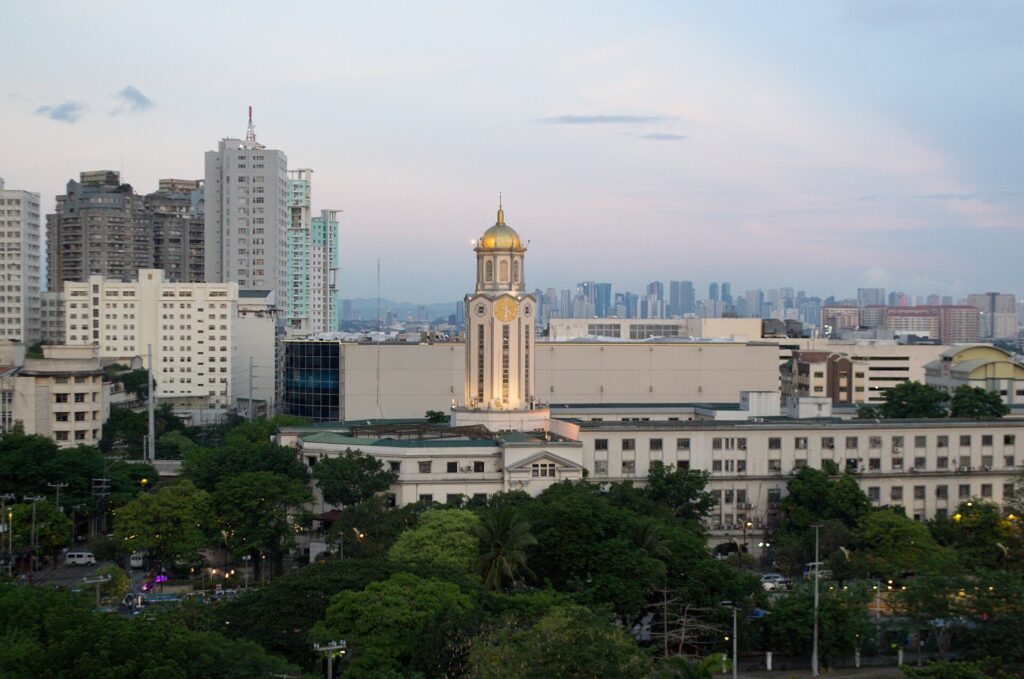
Photo of Former Philippine Vice President in Masonic Regalia Sparks Church Debate
MANILA, PHILIPPINES | NOVEMBER 16, 2026 · A.L. 6026
A single photograph of former Philippine Vice President Leni Robredo wearing Masonic regalia at a public event has triggered a swirling debate about Catholic identity, public office, and the meaning of Masonic membership in the country.
The controversy began when an image circulated on social media showing Robredo donning a ceremonial sash (noting she was not herself a Mason) at a gathering of the Grand Lodge of the Philippines on November 14. Critics questioned her Catholic credentials, with some online voices suggesting the Church sees Freemasonry and Catholicism as mutually exclusive.
Robredo quickly clarified that she is not a Mason, was attending as a guest, and does not intend to leave the Catholic faith. She reiterated that the photo showing her in regalia was a courtesy to the hosts and not an indication of membership.
The Catholic Bishops' Conference of the Philippines declined to comment directly, but the episode revived old questions about whether Filipino public figures can participate in Masonic events without controversy. Freemasonry is legal and active in the Philippines, but the topic remains sensitive inside some religious communities.
In a country where the majority of public life is shaped by church and civic organizations alike, the intersection of faith and fraternity continues to test the boundary between tradition and modern visibility.
For many outside observers, the story is a reminder that the real dividing line is not always inside Lodge, but sometimes, across an ordinary red carpet.
Source: The Manila Times, November 16, 2026
Additional reference: Inquirer.net, November 16, 2026
 AUSTRIA
Vienna, Austria
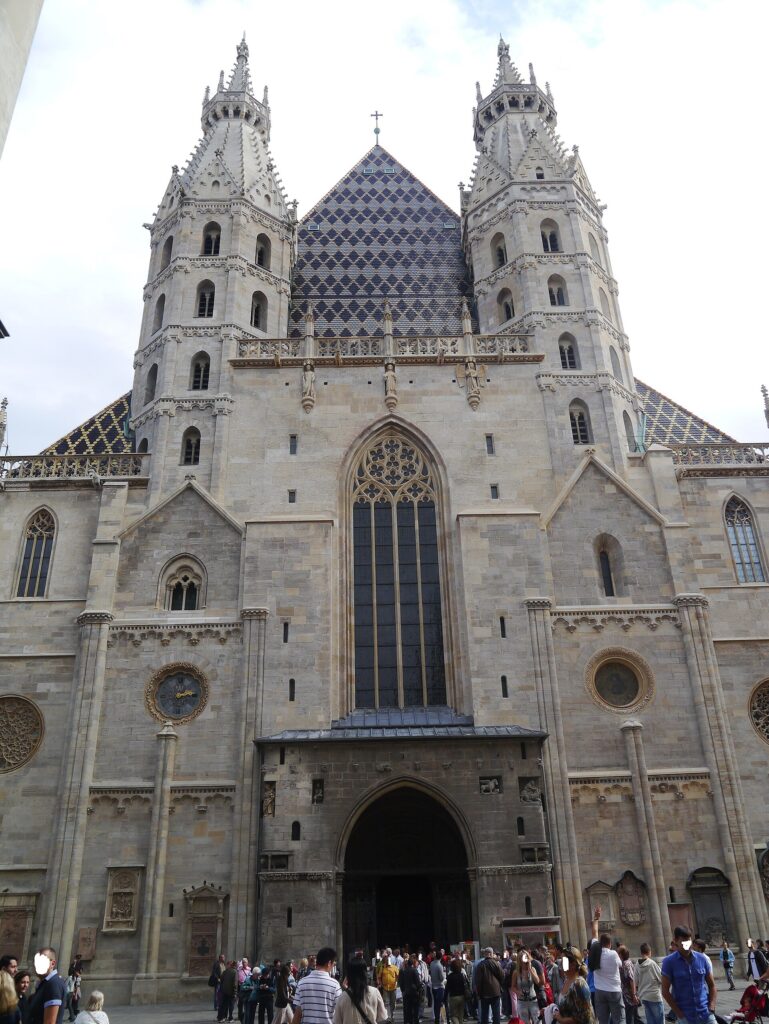
Austrian Priest Calls for Honest Church Dialogue on Freemasonry
VIENNA, AUSTRIA | NOVEMBER 15, 2026 · A.L. 6026
Fr. Florian Wegscheider, a Catholic parish priest in Austria, has publicly urged Church authorities to reconsider their historic distance from Freemasonry, arguing the current approach neither reflects reality nor adequately serves lay Catholics involved in Lodges.
In a recent letter and media interview, Wegscheider claimed that as many as 1.4 million Catholics worldwide are Freemasons, suggesting that most are not subject to Church sanctions and many see no contradiction between faith and fraternity. His remarks follow renewed debate after news from Rome regarding funerals for Catholic Freemasons and long-standing prohibitions reiterated by the Vatican.
While official Catholic doctrine still identifies irreconcilable differences, especially over secrecy and oaths, some regional clergy, including those in Austria and parts of Germany, have called for a more open conversation with Freemason members. Wegscheider's letter drew both praise and criticism, revealing persistent division over the issue within the Church itself.
For Freemasons in Austria, the stand is remarkable given the region's history: Lodges have been both suppressed and celebrated over centuries. Local Brethren remember past expulsions as well as periods of cautious acceptance, especially in the aftermath of World War II.
The episode underscores that in some places, the question of recognition is less about ritual than about navigating the ever-changing boundaries between personal faith and public fraternity, a topic that will remain current as long as Lodges hold both churchgoers and skeptics alike.
 SPAIN
Poblet, Catalonia, Spain
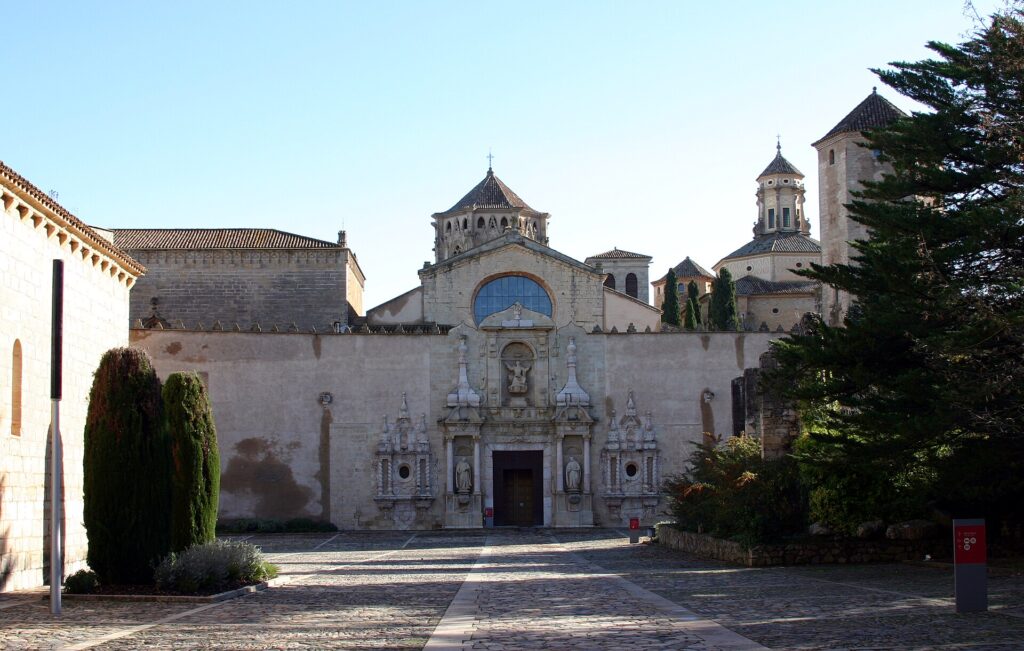
Supreme Council of the 33rd Degree Convenes at Monastery in Catalonia
POBLET, CATALONIA, SPAIN | NOVEMBER 12, 2026 · A.L. 6026
For three days in early November, the ancient stones of Poblet Abbey hosted a meeting of the Supreme Council of the 33rd Degree, the leading body for Scots Rite Freemasonry in Spain. The gathering was held under the abbotship of Octavi Vilà, with senior Brethren from across the country in attendance.
The monastery, a UNESCO World Heritage Site with monastic roots stretching back to 1151, provided a unique setting for Masonic deliberations, friends and rivals of the Craft alike noted the historical irony. Within living memory, this same church complex witnessed both religious processions and the political contest of civil war. The abbey's quiet cloisters have housed monarchs, soldiers, and occasionally, discreet Brethren meeting under uncertain favor.
The Supreme Council's retreat mixed business with tradition, combining ceremonies, historical tours, and dialogue with local clergy. It marked a rare moment of public recognition for high-degree Masonry in what remains a religiously complex region.
Observers in Catalonia say that events like these, when senior Masons gather at sites of historic faith, highlight both progress and old taboos. In Spain, where Masonic history has swung between throne and exile, such meetings are more than symbolic paperwork: they are reminders of the fragile but persistent thread running between fraternity and history.
Source: InfoVaticana, November 12, 2026
 UNITED STATES
Salt Lake City, Utah, United States
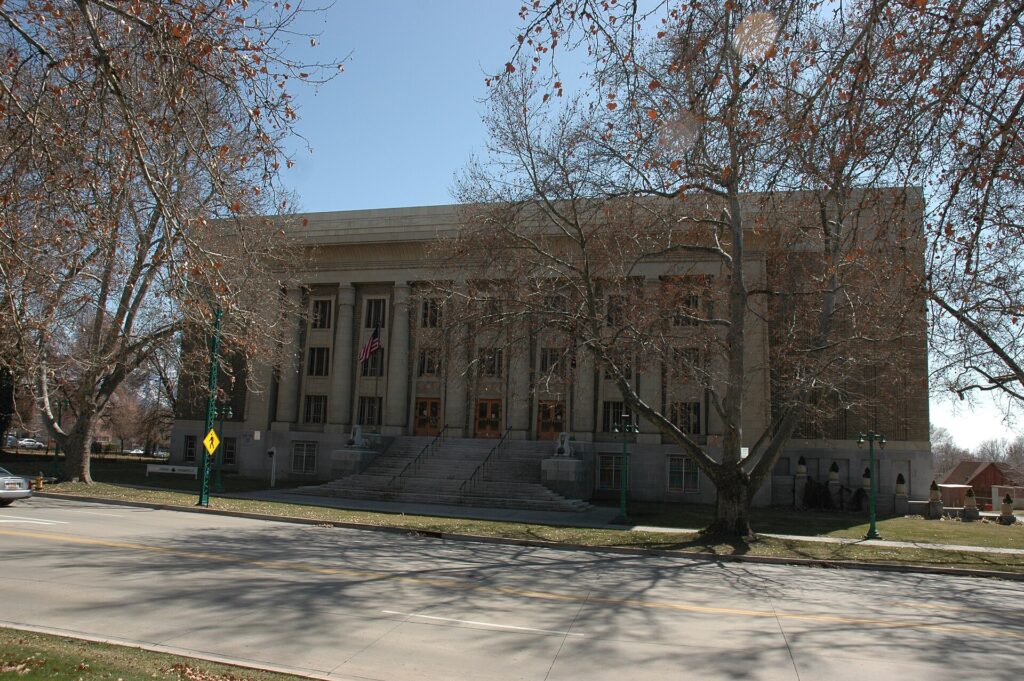
Salt Lake Masonic Temple Keeps Doors Open Nearly a Century On
SALT LAKE CITY, UTAH, UNITED STATES | NOVEMBER 15, 2026 · A.L. 6026
Standing quietly just east of downtown, the Salt Lake Masonic Temple has welcomed Brethren since 1929, a near-century of Utah Masonic history beneath its distinctive Classical Revival facade. The building remains one of the largest in the United States designed specifically for the Craft, with airy marble halls, sweeping staircases, and elaborate Lodge rooms that still see regular use.
The Temple houses multiple Blue Lodges alongside Scottish Rite and York Rite bodies. Once a venue for lavish banquets and public dances, it now serves as the enduring anchor for Masonic activity in a rapidly changing city. Those who visit encounter not only museum-worthy architecture, but layers of historical detail: an Egyptian-themed Lodge room, antique regalia, period murals, and a wall of Past Masters dating to the roaring twenties.
Brothers maintain the property actively, initiating new Brethren while preserving what remains of the old murals and columns. In a state best known for its other temples, the Masonic building is often overlooked by passersby, but it holds the stories of generations, of railroad builders, businessmen, and quietly-serving locals.
For those traveling through the American West, a visit to the Salt Lake Masonic Temple offers both a glimpse into the city's less-public brotherhood and a living monument to what can be quietly preserved through decades of change.
Source: KSL.com, November 15, 2026
 UNITED KINGDOM
Worthing, West Sussex, England
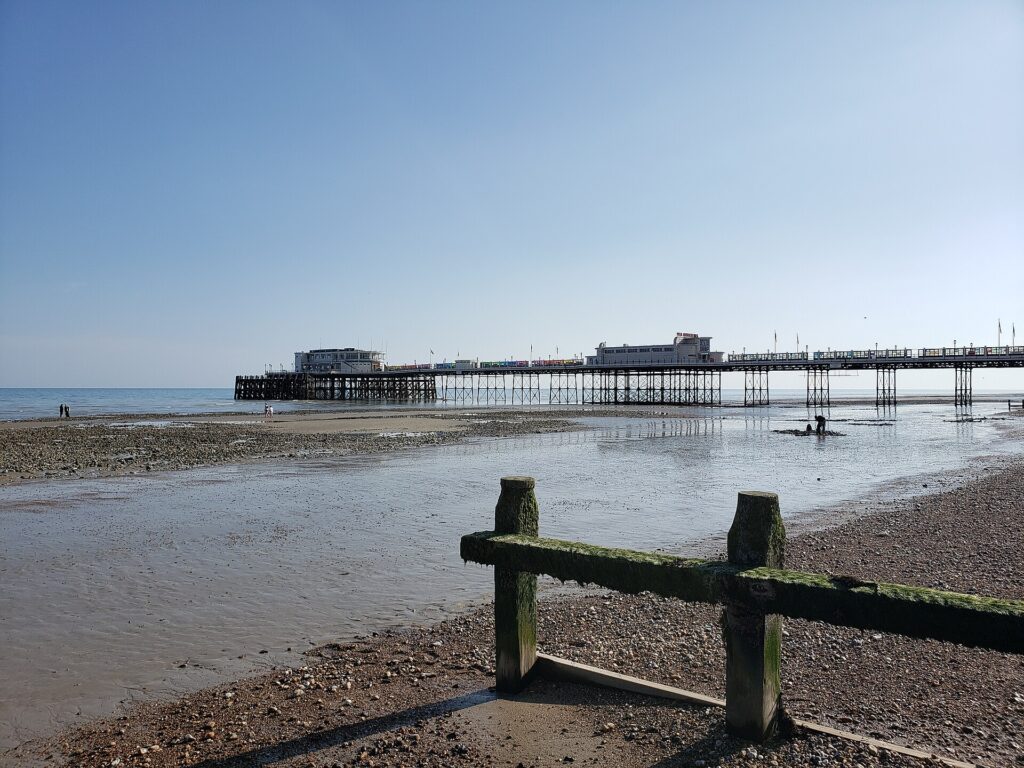
Worthing Freemasons Fund Brain Injury Support with £5,000 Donation
WORTHING, WEST SUSSEX, ENGLAND | NOVEMBER 16, 2026 · A.L. 6026
West Sussex Freemasons from Worthing Lodge marked National Brain Injury Awareness Week by presenting a £5,000 check to Headway, a charity supporting people affected by brain injury and their families.
The funds, raised through a series of Lodge events and private contributions, will support local therapy sessions and resources for survivors. Headway's local coordinator, Debra Shillito, said the support would make a tangible difference in improving access to recovery services.
For Worthing Freemasons, the gift continues a long-standing tradition of neighborhood-focused charity, organized as quietly as the Lodge itself. The Lodge's involvement goes beyond donations, with Brethren participating in fundraising walks and ongoing volunteering efforts at charity events.
This small but meaningful gesture underscores how the day-to-day work of Lodges can change lives far outside the Lodge room. The cumulative effect: another British town with a slightly deeper bond between the working world and the world of the Craft.
Source: SussexWorld, November 16, 2026
UNITED KINGDOM
Isle of Wight, England, United Kingdom
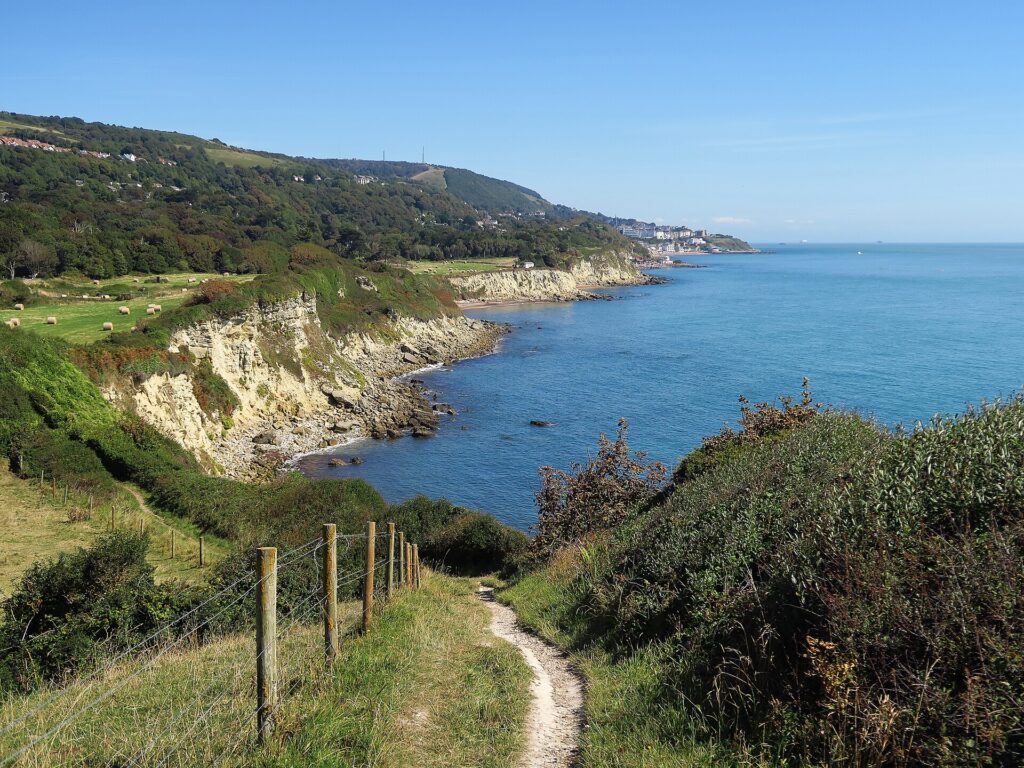
On the Isle of Wight, a Warm Space and Small Grant Make a Difference
ISLE OF WIGHT, ENGLAND | NOVEMBER 14, 2026 · A.L. 6026
A community 'warm space' project on the Isle of Wight has received a £250 boost from the Province of Hampshire & Isle of Wight Freemasons, ensuring that local residents have a safe place to gather as winter approaches.
The grant, reported this week, will help the West Wight Community Centre keep its public rooms heated and stocked with hot drinks for visitors facing isolation or hardship. While the sum may seem modest, organizers say it directly supports daily visitors during the coldest months.
Island Freemasons have assisted a number of local food banks and charities with similar small grants in recent years, following a pattern established by Lodges elsewhere in coastal England.
Sometimes, the work of Freemasonry comes measured not in grandeur but in kettle boils and fellowship, quiet, useful, and carried out without ceremony or medals. This is the kind of Lodge support that goes unreported, except for those who need it most.
 ITALY
Alghero, Sardinia, Italy
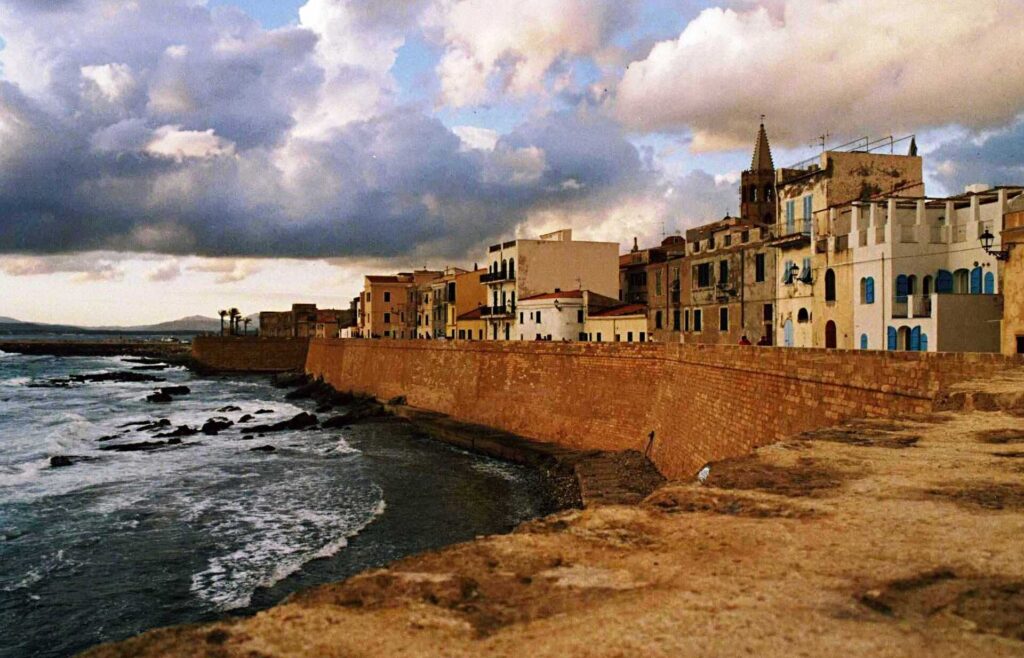
Exploring Alghero's Masonic Past: 'Brothers in Silence' Book Debuts in Sardinia
ALGHERO, SARDINIA, ITALY | NOVEMBER 16, 2026 · A.L. 6026
The port city of Alghero hosted a public presentation for the new book 'Fratelli nel Silenzio' ('Brothers in Silence'), by historian and Alghero native Mario Fois, exploring the hidden history of Freemasonry in Sardinia.
The launch event drew local officials, scholars, and several curious onlookers to the Civic Library on November 15. Fois's work delves into the archives, piecing together the movement of Freemasons through the port and the quiet but persistent network connecting Sardinia with Italian and Catalan Lodges in the nineteenth and early twentieth centuries.
The author describes nearly forgotten stories of local teachers, politicians, and laborers shaping the life of the port town, often in the shadows of greater European events. For many, the book represents a reclamation of a history long kept away from public discussion by the changing tides of Italian politics.
Those interested in Masonic travel will find in Alghero's history a mix of secrecy and open influence that shaped both Mediterranean commerce and inner fraternity. In cities famous for sunlight, sometimes the more interesting stories take shelter in the archives.
UNITED STATES
Wilkes-Barre, Pennsylvania, United States
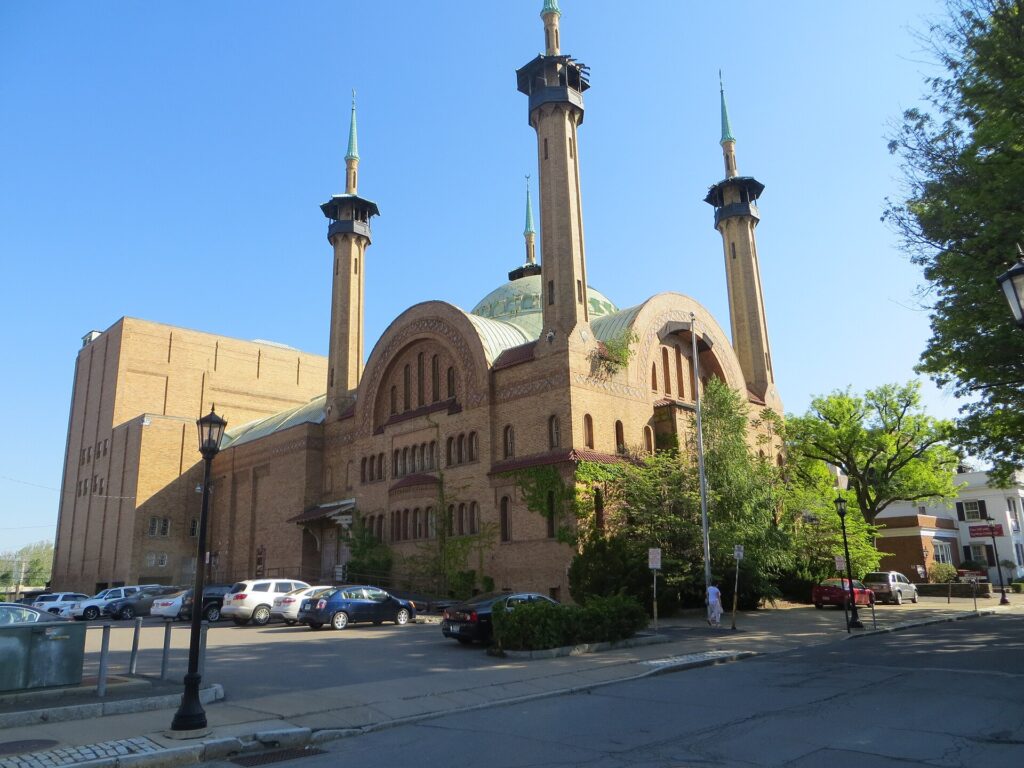
Luzerne County Historical Society to Save Landmark Masonic Building
WILKES-BARRE, PENNSYLVANIA, UNITED STATES | NOVEMBER 11, 2026 · A.L. 6026
Luzerne County Historical Society has unveiled a multi-million dollar plan to convert the former Irem Temple, a monumental Moorish-style Masonic landmark, into its new headquarters and museum space. The Society announced its $6 million fundraising campaign on November 11, aiming to secure both the future of the charity and the preservation of one of the region's most unusual architectural treasures.
Built in 1907 and noted for its enormous domes and decorative tilework, the Irem Temple has sat largely vacant for years, its halls a reminder of both Wilkes-Barre's prosperous past and the heyday of early twentieth-century Masonic expansion. The new plan would restore much of the original structure, opening the building to the public as both a museum and an events venue.
Local Brethren and preservationists have long advocated for saving the structure, arguing that its loss would remove a centerpiece of regional identity and a direct link to the Shriners and broader Masonic traditions of Pennsylvania. If successful, the project would also return the Irem Temple to its roots as a place of community gathering, albeit with a new mission.
The challenge now is as much financial as architectural, but for one week at least, the hope of bringing Masonic history back to life is on the table.
Have a Masonic Story?
Know about a Lodge with a story worth telling? A historic building, unusual degree, forgotten artifact, traveling Brother, restoration project, anniversary, discovery, or piece of Masonic history that deserves a wider audience?
The Trestleboard wants to hear about it.
Submit stories, tips, photographs, or article ideas to:
newsletter@travelingashlar.com
Every Lodge builds its local identity, but sometimes the deepest Masonic lessons arrive from unexpected directions, a photograph, a controversy, an old building's open door. This week, more than most, it is worth remembering: the world is full of quiet gathering places and public crossroads for the Craft. Wear. Share. Travel.
Wear. Share. Travel.
blog.travelingashlar.com
Wear. Share. Travel.
Top selling items
Pins, shirts, and gifts Brothers actually buy. No membership required.

Masonic Baseball Lapel Pin | Freemason Baseball Gift
Price range: $9.99 through $18.95
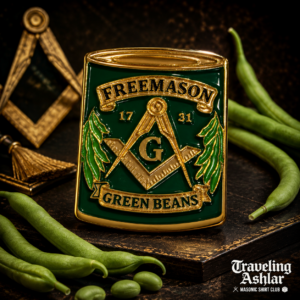
Green Beans Lapel Pin | Freemason
Price range: $9.99 through $18.95
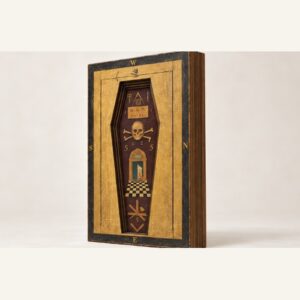
Masonic Tracing Board | Five Layers of Wood
From $19.99

Hot Sands Comic Book | Masonic
$12.99
Subscribe to the Weekly Trestleboard
Get the latest Masonic news from across the world, and the travels that go with it.
One edition every Monday. Stories from lodges, roads, and Brothers still at the work.
Past issues
Every Monday edition, kept on the shelf.
- Edition 0014 Week of November 23, 2026 · A.L. 6026
- Edition 0013 Week of November 16, 2026 · A.L. 6026
- Edition 0012 Week of November 9, 2026 · A.L. 6026
- Edition 0011 Week of November 2, 2026 · A.L. 6026
- Edition 0010 Week of October 26, 2026 · A.L. 6026
- Edition 0009 Week of October 19, 2026 · A.L. 6026
- Edition 0008 Week of October 12, 2026 · A.L. 6026
- Edition 0007 Week of October 5, 2026 · A.L. 6026
- Edition 0006 Week of September 28, 2026 · A.L. 6026
- Edition 0005 Week of September 21, 2026 · A.L. 6026
- Edition 0004 Week of September 14, 2026 · A.L. 6026
- Edition 0003 Week of September 7, 2026 · A.L. 6026
- Edition 0002 Week of August 24, 2026 · A.L. 6026
- Edition 0001 Week of August 17, 2026 · A.L. 6026
Posts
Published Traveling Ashlar posts on Facebook. Tap a post to open it there, then share it to your own page or profile.


